From the TV in your living room and the WiFi keeping everyone connected to security cameras and smart home controls, we rely on technology throughout our homes every day.
But what happens when that technology starts showing its age?
Maybe your TV still works but feels outdated. Your WiFi has become unreliable, your receiver occasionally loses sound, or your smart home system isn’t responding the way it used to.
Is it time to replace the equipment, or could a simple fix solve the problem?
The answer depends on the age of the equipment, the nature of the issue, and how well it still meets your needs. Here’s how to decide when keeping your existing technology makes sense and when upgrading may be the better long-term investment.
TVs: When Is It Time for a New Display?
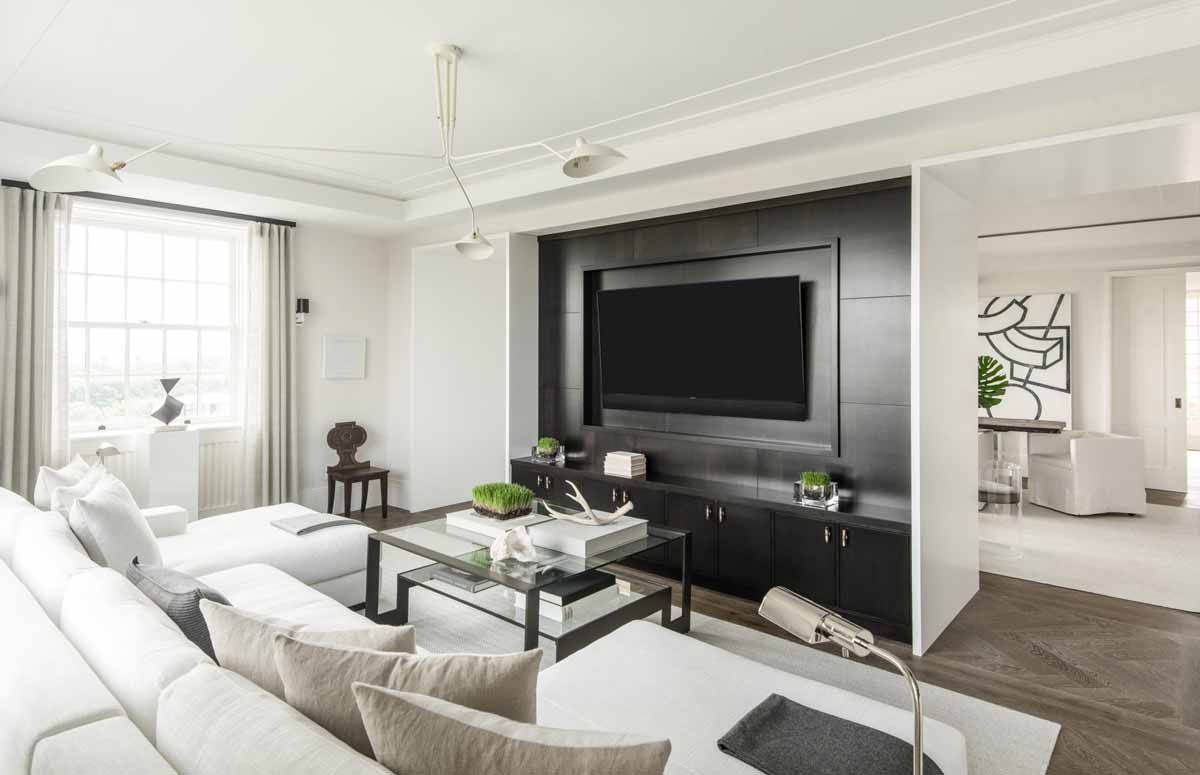
A quality television can provide years of excellent performance. Just because newer models are available doesn’t mean yours needs replacing.
Consider keeping or repairing your TV if:
- You’re still happy with the picture quality and screen size.
- The problem involves a remote, cable, streaming device, or connection rather than the TV itself.
- A straightforward, reasonably priced repair can restore reliable performance.
Consider upgrading if:
- The screen has developed persistent lines, dark areas, or other panel problems.
- Repair costs are approaching the price of a comparable replacement.
- Your TV no longer supports the picture quality, gaming features, or connectivity you want.
Before replacing a TV, it’s worth confirming that the display is actually the problem. Sometimes an aging streaming device, faulty HDMI cable, or incorrect setting is responsible for what appears to be a failing television.
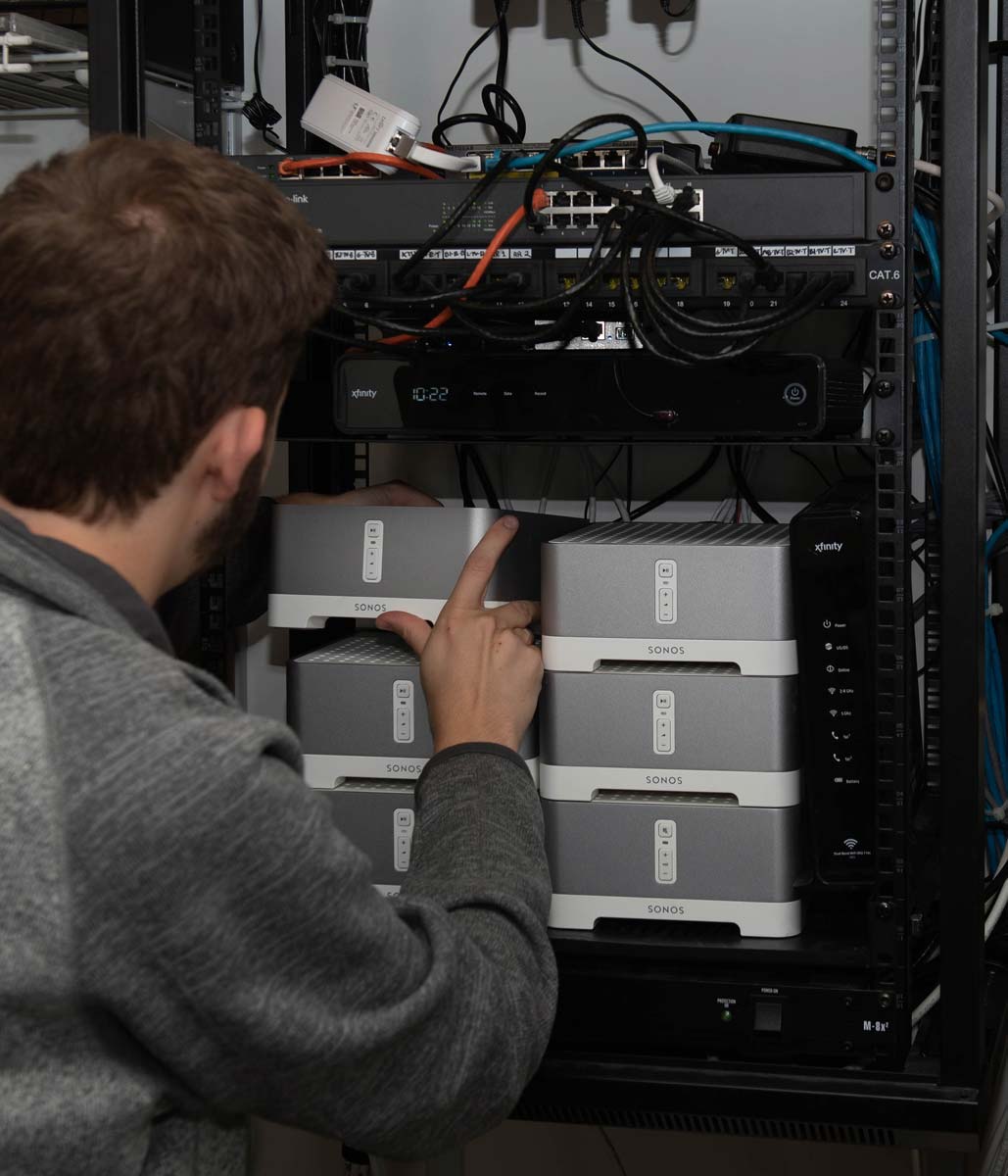
WiFi and Networking: Fix the Connection or Upgrade the Equipment?
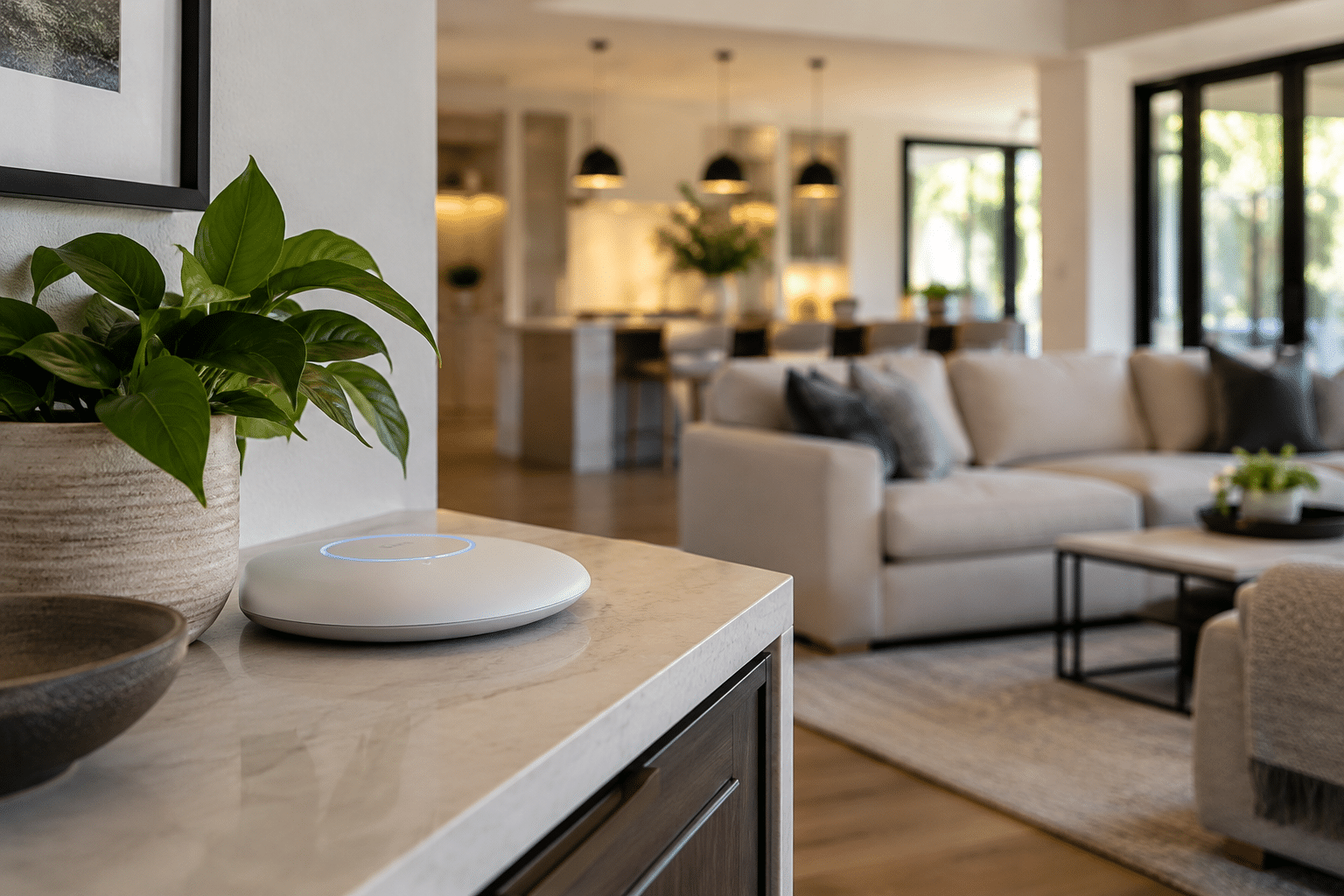
Your home network is the foundation for nearly everything connected to it, including TVs, computers, security cameras, audio systems, and smart home devices.
When WiFi becomes unreliable, the problem isn’t necessarily your internet provider or even your router.
Consider troubleshooting your network if:
- Certain rooms have weak signals while others work well.
- A device occasionally disconnects, but the rest of the network is stable.
- The issue may be related to equipment placement, interference, or configuration.
Consider upgrading if:
- Your router or access points no longer receive security updates.
- Your network struggles to support the number of connected devices in your home.
- Persistent coverage problems can’t be resolved through adjustments.
- Your equipment no longer supports the speeds or reliability your household needs.
For larger homes, adding properly positioned wireless access points may be more effective than simply purchasing a more powerful router.
At Levines Lights, we look at the network as a complete system. Sometimes improving coverage or configuration is enough. Other times, upgrading the underlying infrastructure provides a more reliable foundation for everything connected to it.
AV Receivers and Audio Systems: Repair or Replace?
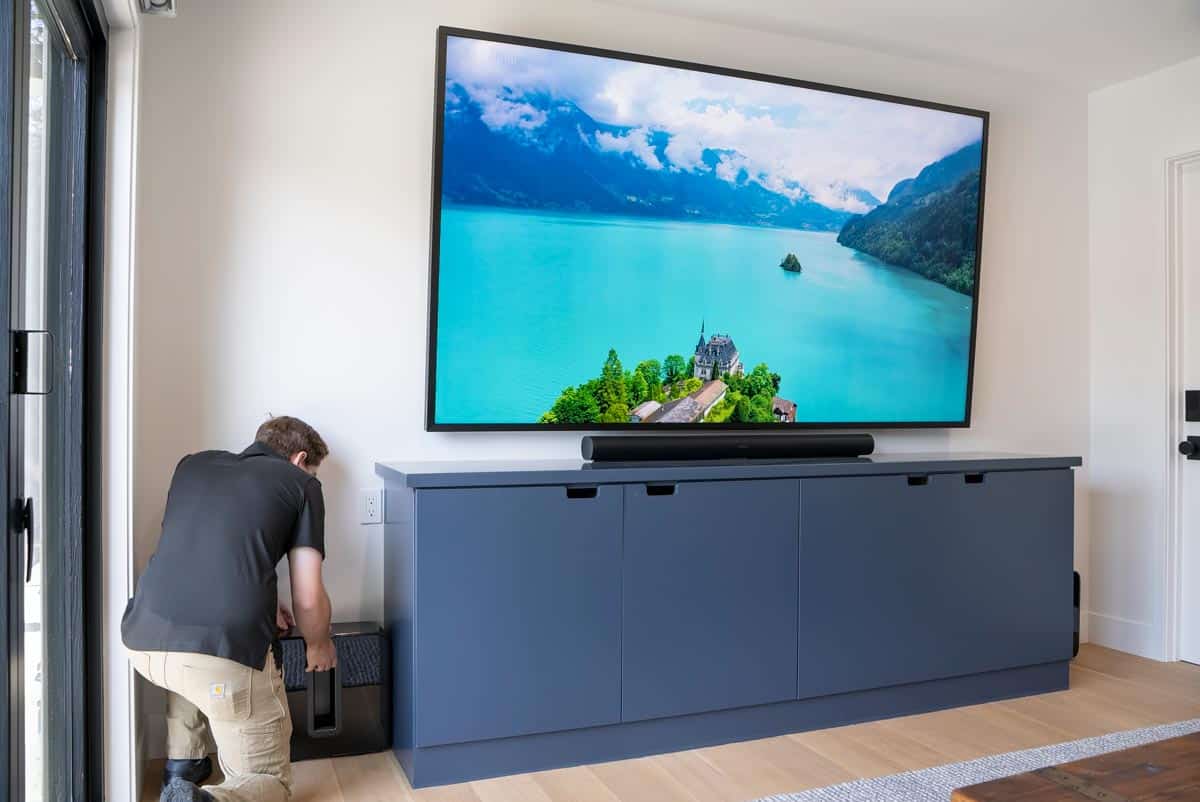
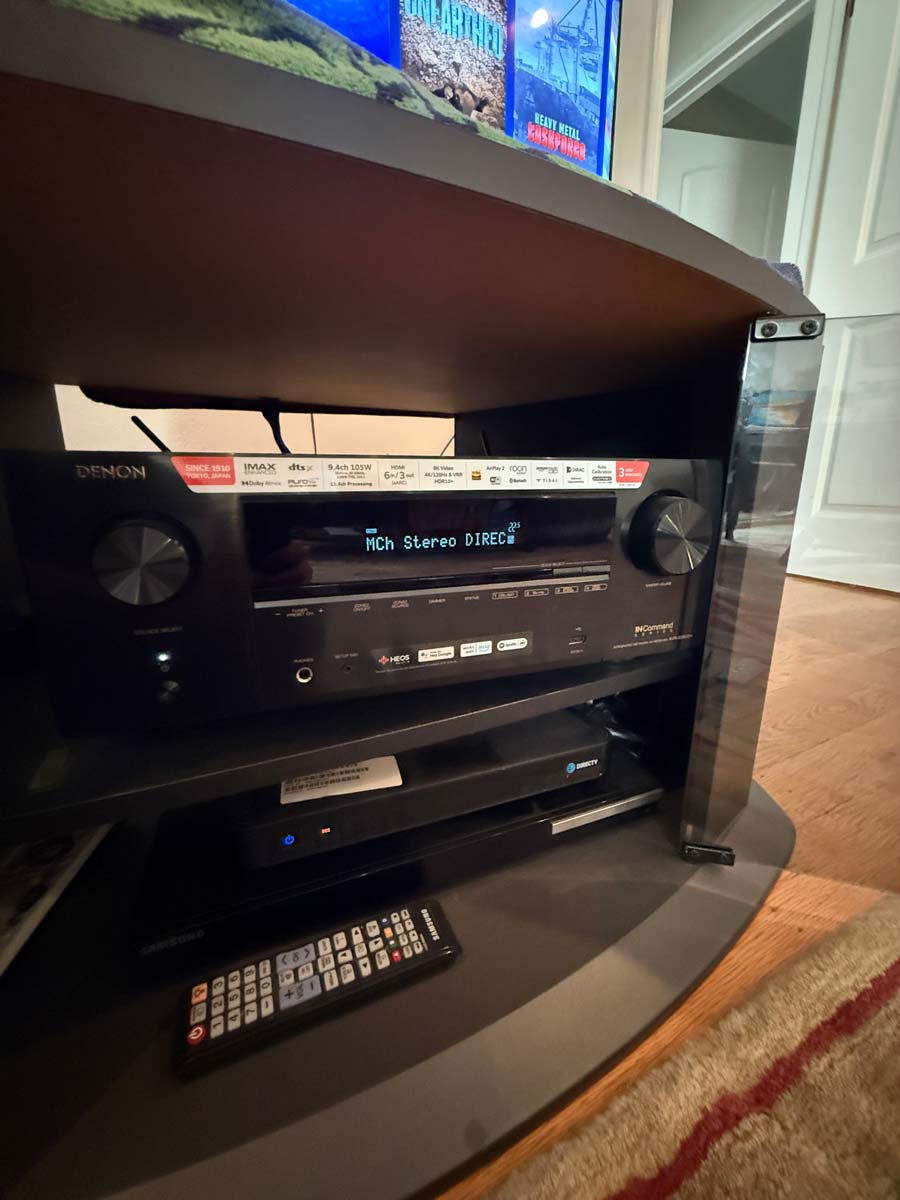
An AV receiver brings together many parts of your entertainment system, including speakers, TVs, streaming devices, and other audio and video sources.
Because receivers handle so many connections and functions, problems can sometimes appear more serious than they actually are.
Consider keeping or repairing your receiver if:
- It still delivers the sound quality and features you need.
- Audio dropouts or connection issues can be traced to cables, settings, or other components.
- A repair is reasonably priced and the equipment remains compatible with your system.
Consider upgrading if:
- It lacks the HDMI capabilities or audio formats needed for your current equipment.
- You want to expand to a more immersive surround-sound system.
- It experiences repeated hardware failures or is no longer economical to repair.
Importantly, upgrading your receiver doesn’t necessarily mean replacing your speakers. Quality speakers can remain useful for many years, and a newer receiver may allow you to get more out of the equipment you already own.
Security Cameras: When Older Technology Becomes a Limitation
An older security camera system may still record footage, but that doesn’t necessarily mean it’s providing the coverage, image quality, or reliability you need.
Consider keeping or repairing your cameras if:
- The image quality and coverage still meet your needs.
- Problems are limited to a connection, power supply, or recording configuration.
- The cameras and recording system continue to receive necessary security updates.
Consider upgrading if:
- Image quality makes it difficult to identify important details.
- Nighttime visibility or coverage is inadequate.
- The system no longer receives security updates or supports reliable remote access.
- You want improved recording capabilities, smarter notifications, or better integration with other home technology.
You may not need to replace every camera at once. Depending on the system, upgrading specific cameras, the recorder, or the network infrastructure may be enough to address its limitations.
Smart Home and Control Systems: When Technology Stops Feeling Simple
Home automation should make everyday life easier, not create more work.
If controlling your lights, shades, entertainment, or other connected devices has become frustrating, it may be time to evaluate your system.
Consider updating or troubleshooting your system if:
- A particular device or function has stopped responding.
- The system needs software updates, programming adjustments, or troubleshooting.
- Most of the equipment still works reliably and meets your needs.
Consider upgrading if:
- The control platform or important components are no longer supported.
- New devices can’t be integrated with your existing system.
- Your household’s needs have changed significantly since the original installation.
- Recurring problems make the system difficult or frustrating to use.
One advantage of a thoughtfully designed smart home is that individual components can sometimes be updated without starting over.
For example, replacing an aging controller or updating the programming may restore functionality while allowing you to keep compatible lighting, audio, and other equipment already installed throughout your home.
Three Questions to Ask Before Replacing Anything
Regardless of the equipment, a few simple questions can help determine the best next step.
1. Is the equipment actually failing, or is something else causing the problem?
A faulty cable, outdated software, network issue, or incorrect setting can make perfectly functional equipment appear broken. Identifying the underlying cause can prevent unnecessary replacements.
2. Will a repair provide a lasting solution?
A repair may be worthwhile if the equipment is otherwise reliable and continues to meet your needs. But if problems keep returning, replacement may be more cost-effective over time.
3. Will the existing equipment still work with the rest of your system?
Compatibility is especially important in integrated homes. Before replacing a TV, receiver, camera, or control component, consider how that change will affect everything connected to it.
Sometimes a targeted upgrade can extend the life of an entire system. Other times, older technology has reached a point where replacement offers better reliability, security, and long-term value.
Making the Most of Your Existing Home Technology
At Levines Lights, we believe the goal isn’t to replace technology simply because something newer is available. It’s to make sure the systems in your home continue to work reliably, intuitively, and together.
Whether you’re dealing with an aging entertainment setup, inconsistent WiFi, outdated security cameras, or a smart home system that isn’t performing the way it should, the first step is understanding what’s worth keeping and what may benefit from an upgrade.
Not every problem requires new equipment, and not every upgrade requires starting from scratch.
If you’re considering improvements to your home’s audio, video, networking, surveillance, or automation systems, we can help you evaluate your existing setup and identify solutions that make sense for your home.